
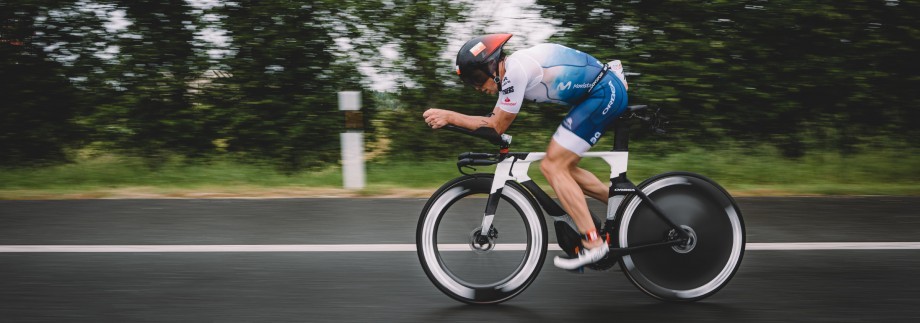
There is a saying among triathletes: “Nutrition is the fourth discipline.” When you compete in endurance events that can last between 8 and 18 hours, you need an eating and drinking strategy that will keep you fueled to the finish line.
When you talk to other triathletes about what went wrong during their race, you often hear about them running out of energy, having stomach problems and/or cramps. All of these problems have one thing in common: they are all caused by nutrition/hydration.
This guide is designed to prepare you for your next Ironman from a nutrition and performance nutrition perspective - from planning in the weeks before, during the final days, and from start to finish. It's no guarantee of a good day, but it certainly increases your chances of having one.
CARBOHYDRATES FOR ENERGY
The human body has two main sources of fuel: fat and carbohydrates. Both are stored in the body and act as two separate “fuel tanks” that can provide energy for exercise.
Carbohydrates can be used quickly by the body and provide energy much faster than fat. Using fat also requires more oxygen and when oxygen supply is limited, carbohydrates can still be used while fat cannot.
Therefore, carbohydrates are consumed in much larger quantities than fat when exercise intensity is very high and energy intake needs to be rapid. In contrast, fat is an ideal source of energy during low- to moderate-intensity exercises where energy requirements are lower. One of the main differences between the two fuel sources is their storage.
HOW CARBOHYDRATES ARE STORED
Carbohydrates are stored as glycogen, which is found in the liver and muscles. The glycogen stored in the muscles is used by the muscle in which it is located when there is a high energy demand. Therefore, when running, the glycogen stored in the thigh muscles is used up much faster than the glycogen in the arms.
All muscles in the body combined can store 400 to 800 g of glycogen, which depends on body size and the amount of carbohydrates consumed. Liver glycogen is stored in much smaller amounts, around 80g, which varies less from person to person. Glycogen stored in the liver is broken down into glucose and transported in the blood to where it is needed, including organs such as the brain and kidneys, but also muscles during exercise.
HOW FATS ARE STORED
Fat is stored primarily in adipose tissue (adipose tissue), which is located throughout the body. Even in most slim people who have a low body fat percentage, the amount of energy stored in fatty tissue is enormous. Fat stores are virtually unlimited in terms of energy requirements for exercise, while carbohydrate stores can limit endurance training.
“HITTING THE WALL” (“BONKING”)
Many triathletes will be familiar with the experience of “hitting the wall” or “bonking,” which is essentially when glycogen stores are depleted and available fuel cannot produce energy quickly enough to sustain high-intensity training.
Glycogen stores are usually sufficient to provide energy for 2 to 3 hours of training, depending on the training intensity and the amount of glycogen stores. Consuming carbohydrates before and during exercise can help prolong performance and delay glycogen depletion.
Unlike consuming additional carbohydrates during exercise, consuming fat does not improve exercise performance because, unlike carbohydrates, fat intake is not a limitation. Therefore, ensuring high carbohydrate availability is critical to endurance performance, and many of the nutritional strategies used to enhance performance involve ensuring that carbohydrates are stored and available during competition.
“Train your gut”
Just as you train your body for the race , you should train your body for the foods, drinks, and nutritional practices you plan to use.
Consuming food or drink during exercise triggers gastrointestinal problems in some athletes, including symptoms such as reflux, heartburn, bloating, vomiting, bloating, stitches and diarrhea. If you experience these symptoms while training, it is likely that you will also experience these symptoms during your Ironman.
Practice the carbohydrate amounts, type and format (gel, drink, bar) you plan to use during your race.
Leave a Comment