VITAMINS & MINERALS
And one thing is clear: your body can achieve better results when it has all the nutrients it needs for exercise. A healthy diet is therefore the be-all and end-all. But sometimes a healthy diet is not enough to cover all nutrient requirements, because endurance sports create an additional need for vitamins and minerals, some of which are very high. Therefore, the supply of micronutrients in endurance sports deserves special attention.
We'll tell you which minerals and vitamins are particularly important for endurance athletes!
B VITAMINS and MULTIVITAMINS
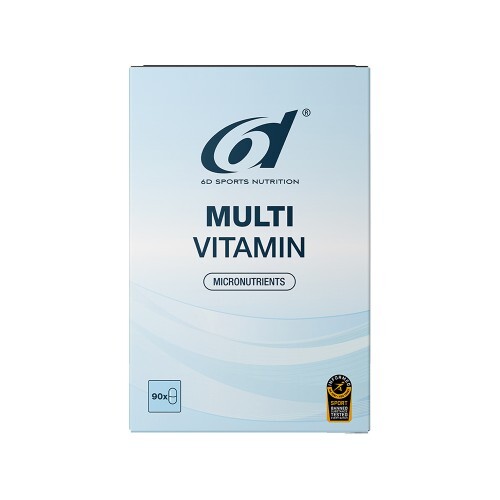
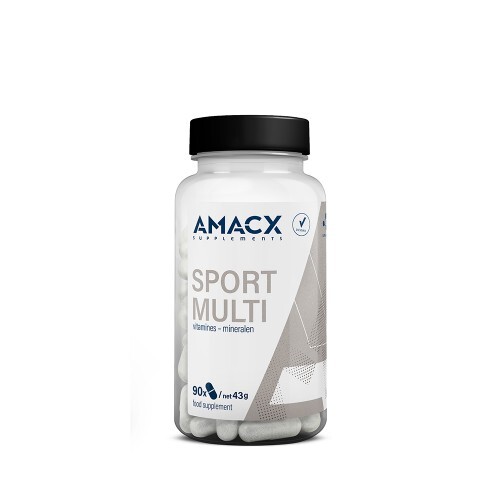
B vitamins play a crucial role in energy metabolism. You should take vitamin B12 in particular daily as the body cannot produce it itself. It is involved in numerous metabolic processes: in cell division, blood formation, energy production, in the construction of cell membranes, in the creation of myelin sheaths that protect the nerves in the central nervous system and in the brain, in the production of hormones and neurotransmitters and in the detoxification of Homocysteine and nitric oxide. It is very important to ensure that as an endurance athlete you meet an increased daily requirement for the entire group of B vitamins, as they play a variety of roles, thiamine, riboflavin and B12 are particularly important for energy production from food and red blood cells. These are obviously important processes for athletes, as we need energy to refuel and recover after exercise, as well as having enough blood cells to carry oxygen to working muscles. Especially those who follow a vegan or vegetarian diet should ABSOLUTELY take vitamin B12.
Vitamin B12 is also interesting for athletes because of its function in the formation of red blood cells. A deficiency can lead to anemia due to a disruption in the maturation of red blood cells. Symptoms of anemia include general weakness, fatigue and palpitations. This is primarily due to the reduced oxygen transport to the organs and working muscles. Especially in physically active people, this lack of oxygen transport particles (red blood cells) must be compensated for by a vitamin B12 deficiency.
IRON
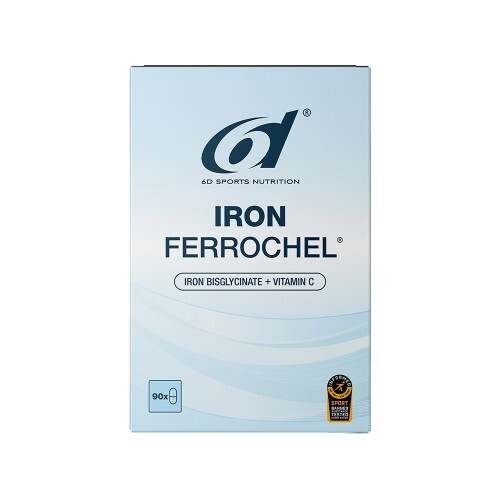
Having enough iron in the body is important for endurance athletes. This should definitely not be underestimated. It ensures that the oxygen we breathe finds the fastest route to our muscles. This is the only way they can function well. If there is insufficient iron supply, the muscles are undersupplied with oxygen, which is particularly noticeable in competitive athletes. However, amateur athletes should also pay attention to their iron intake, as they too may have an increased iron requirement.
The more you sweat, the more iron you should consume, because the body loses a large proportion of micronutrients through sweat.
MAGNESIUM
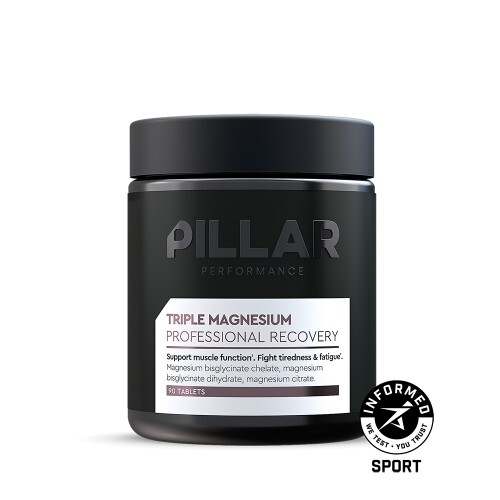
Magnesium is very important no matter what endurance sport you do. Top sporting performance is only possible with a good supply of magnesium. We don't just need magnesium for the interaction between muscle tension and relaxation. Among other things, the mineral also ensures our energy and protein metabolism and promotes the bounce of our joints. Daily intake of the mineral is absolutely necessary for the organism because the body cannot produce it itself.
When the energy in our muscles is used up, magnesium ensures that certain enzymes are released and form energy-rich compounds again. Only when our magnesium depot is sufficiently filled can the muscle cells release their energy optimally.
Make sure you eat a diet rich in magnesium and take additional magnesium from our diet.
VITAMIN C
Do you only pay attention to your vitamin C content when you have a cold? Then you should change that now. Vitamin C has been proven to help the body absorb more iron. However, most people use vitamin C primarily when it comes to strengthening the immune system. But the vitamin can do more than just support the immune system and iron absorption. It protects cells from oxidative stress, which is very important for athletes.
VITAMIN D
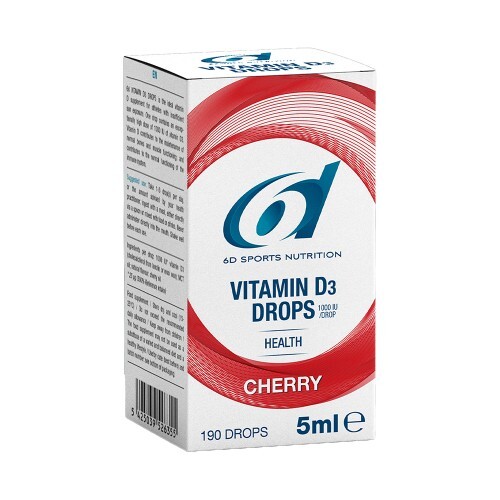
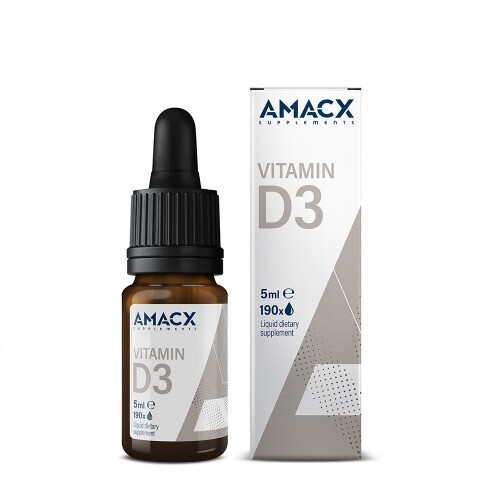
Vitamin D supports muscle function and bone health. Endurance athletes should therefore take vitamin D regularly. However, the need for vitamin D must be met by sunlight, which is not always easy for many people, especially in areas with less sunlight. Things can be difficult for athletes if they don't practice their sport outdoors.
ZINC
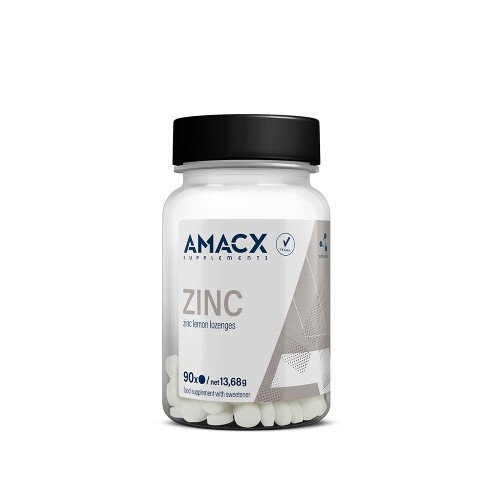
Since strenuous exercise leads to a short-term decline in immune function, athletes can reduce their risk of disease by maintaining optimal zinc levels. Research has also shown that zinc is essential for optimal hormone levels and what is essential for endurance performance and reproductive health in men and women.
CALCIUM, SODIUM, POTASSIUM
Calcium not only ensures strong bones, but also smooth muscle contraction during exercise. Both magnesium and calcium deficiencies can lead to muscle cramps. Sodium and potassium are essential for regulating water balance, which is heavily stressed in endurance sports. Exercising leads to a sodium and potassium deficiency, as large quantities of these minerals are sweated out. Endurance athletes in particular also lose many minerals through sweating. It is therefore important to eat a balanced diet and support an active lifestyle with nutritional supplements.
Don't let any deficiency slow you down and improve your training with all the important vitamins and minerals!