Amino acids
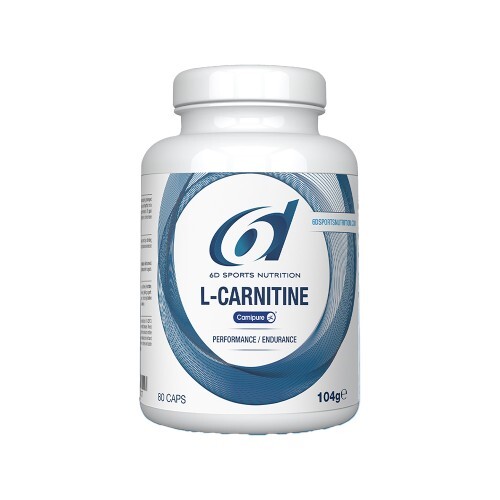
Amino acids, particularly BCAAs and EAAs, can make a major contribution to recovery as they are directly involved in energy metabolism while reducing fatigue. Glutamine is almost mandatory in endurance sports because it contributes to the optimal functioning of the immune system. Carnitine allows you to better utilize fat for energy and conserve glycogen, and Acetyl L-Carnitine improves your focus and concentration. Beta alanine ensures less acidification of the muscles, which is extremely important during maximum exertion.
BCAAs and EAAs
Normally, food contains 20 amino acids that connect into “chains” to form proteins. Amino acids are the building blocks of proteins. When protein is ingested and digested, the amino acids are absorbed and form new proteins in the body.
There are 11 non-essential amino acids that the body can synthesize itself. These amino acids are glycine, glutamate, glutamine, proline, serine, tyrosine, alanine, asparagine, aspartate, arginine and cysteine. The body is unable to synthesize essential amino acids on its own, so they must be consumed with food or in the form of dietary supplements. There are 9 essential amino acids, namely leucine, isoleucine, valine, histidine, tryptophan, lysine, methionine, threonine and phenylalanine. BCAA amino acids are classified as essential amino acids.
BCAAs are believed to be important for stimulating muscle protein synthesis - an important post-workout recovery process. 6g of BCAAs post-workout has been shown to increase post-workout muscle protein synthesis. BCAAs have been shown to be effective in reducing the subjective feeling of muscle soreness 2-3 days after exercise.
Leucine
Leucine is perhaps the most important amino acid that plays an essential role in regulating the process of muscle adaptation and recovery after exercise. Muscle protein synthesis is the process of building new proteins in muscles. Muscles are made up of proteins that perform different tasks. Some provide muscle structure and are necessary for movement, while others are responsible for energy production. Although muscle protein synthesis is often thought of as the process that helps build larger and stronger muscles when lifting weights, it is also a process that is extremely important in endurance.
Muscle protein synthesis is extremely important in the process of adaptation and recovery after exercise to improve endurance training performance. Muscle protein synthesis is a short-term process that only lasts a few hours. It is activated by both consuming protein and physical exercise. A combination of both is most effective.
Muscle protein synthesis requires both a “trigger” to start the process and a supply of amino acids used to build or repair muscle protein. Leucine is said to be the greatest stimulus that activates the regeneration process. Leucine activates a molecule in muscle called mTORc1, which is often described as the “master regulator” of protein synthesis. Studies have shown that 3g of leucine with a small amount of protein (~6g) can stimulate muscle protein synthesis in the short term after exercise.