
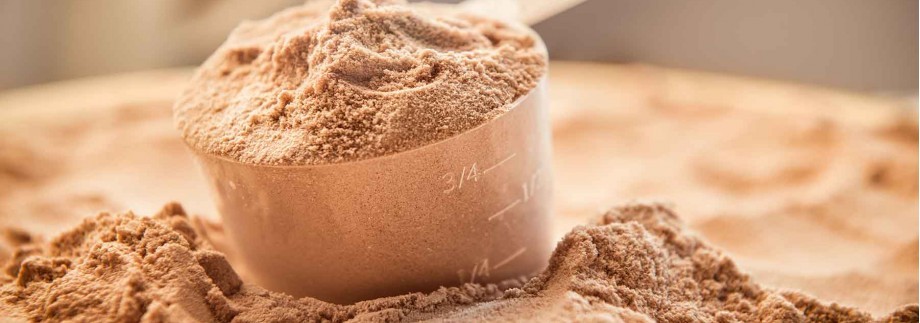
Anyone who goes to the gym is surely aware of the importance of protein in their daily diet. Whether you're looking to lose fat, build muscle, or improve post-workout recovery, protein is essential. But how much protein do we really need? Let's see how much protein is needed to build muscle mass.
In our muscles, two processes take place simultaneously 24 hours a day, namely muscle building and muscle tissue breakdown. The balance between these two processes determines whether or not our muscles grow. When this balance is positive, muscle mass will increase.
Strength training stimulates both processes, both building and breaking down muscle tissue, so exercise alone is not enough for muscle growth. It is necessary to have a regular and balanced diet. In order to supply the muscles with amino acids, sufficient protein intake is crucial. Adequate protein intake is crucial for the maintenance and growth of muscle tissue.
Protein intake
The recommended protein intake per day is 0.8 to 1 g per kilogram of body weight. For someone who weighs 70 kilograms, this means around 56 to 70 g of protein per day. This is very easy to achieve with common foods (see table below). However, this recommendation is not optimal for everyone who is active.
| Proteins of animal origin | Proteins of plant origin |
| A glass of milk (150 ml) = 5 g | 1 piece of bread (30 g) = 3 g |
| Quark (150 g) = 12 g | Muesli (20 g) = 2 g |
| Yoghurt (125 g) = 5 g | 125 g Pasta = 5 g |
| Cheese (30 g) = 5 g | 125 g Quinoa = 9 g |
| 100g meat (raw beef) = 22 g | 40 g oatmeal = 5 g |
| 125 g fish (raw weight) = 22 g | 150 g tofu = 18 g |
| 1 egg = 5 g | 100 g kidney beans = 8 g |
| 1 protein bar (40 g) = 24 g | 100 g lentils = 10 g |
| 1 scoop protein powder (30 g) = 12 g | 150 g vegetables = 2 g |
*Frame values
If we want to build muscle mass and do intensive strength training, we need about 1.6 g of protein per kilogram of body weight. If we want to lose weight or break down fat, a slightly higher intake is recommended with regular strength training, namely 2-2.2 g per kilogram of body weight. In practice, this means that someone who weighs 70kg needs between 112-154g of protein per day (depending on goal and protein intake). Don't forget that protein also means extra calories, so it's necessary to optimize your intake of carbohydrates and fats.
STRENGTH TRAINING OR INCREASE MUSCLE MASS
| Goal | Target protein intake (g/kg bw) | 70 kg person |
| Fat loss | 2-2,2 g/kg | 140-154 g |
| Muscle mass | 1,6 g/kg | 112 g |
ENDURANCE SPORT
Endurance athletes consume slightly less protein than athletes whose primary goal is to increase strength or muscle mass. For endurance athletes, 1.2 to 1.6 grams of protein per kilogram of body weight is recommended. So a 70 kg person should consume between 84 and 112 g of protein.
Quality
In addition to the daily total amount of protein, the quality of the protein is also important. Not all proteins are equally suitable for building muscle mass. The amino acid composition of protein is crucial. The higher the amount of essential amino acids (EAA), the higher the quality of the protein.
For example, whey protein has a higher quality than soy protein or casein. Dairy products based on cow's milk (high whey content) promote muscle growth much more effectively than milk substitutes (rice, oat, almond and coconut milk). Animal products (meat, fish, dairy products or eggs) are considered to be a higher quality source of protein compared to plant products such as nuts, grains, soy or legumes. Animal protein also has a higher leucine content, which plays an important role in protein synthesis, recovery and muscle building.
However, it is necessary to understand that vegetable sources of protein are no worse for building muscle mass. Their lower quality or lower protein content must be compensated for by increasing the total amount consumed.
Leave a Comment