
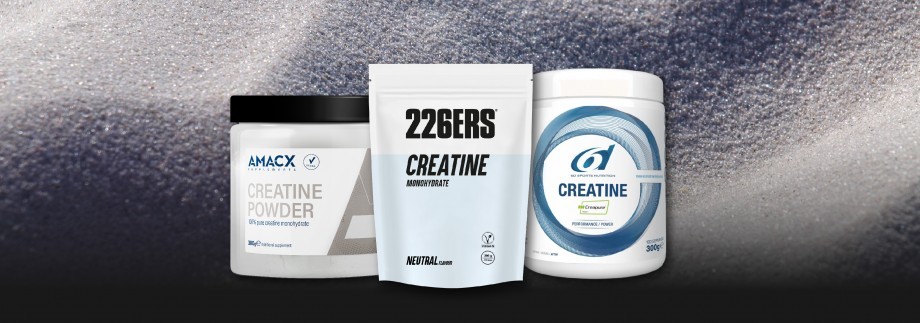
WHAT IS CREATINE MONOHYDRATE AND WHAT IS IT SUITABLE FOR?
Do you know what creatine monohydrate is and what exactly it is used for? Nowadays everyone has heard about it and even thought about buying creatine monohydrate without even knowing what it really is. There is still a high level of ignorance about this dietary supplement. It is properly consumed only by connoisseurs and it is extremely important to use it properly in order to reap all the positive effects that its consumption brings.
What is creatine?
First, let's explain that creatine is already naturally present in our bodies. It is among the dietary supplements that help increase muscle mass and energy production. Creatine is naturally found in salmon, red meat, seafood, milk and eggs. Creatine monohydrate is one of the most popular sports supplements because it is one of the most commonly used supplements to improve muscle performance and muscle mass.
Creatine monohydrate is made up of glycine, arginine, and methionine, three amino acids that are made by our bodies, specifically the liver, pancreas, and kidneys. Creatine is found in the nerve cells of organisms and muscles. It helps transport adenosine triphosphate, one of the most important sources of energy in our body.
What sports is it suitable for?
Initially, it was thought to be a sports supplement intended solely for the fitness industry. It should be emphasized that creatine monohydrate is one of the most researched supplements in the world as it has been the subject of numerous studies and research. We rank it among the top 3 dietary supplements. Creatine is used in all sports, but we would like to highlight the following:
- road Cycling, CX Mountain Biking, Track Cycling, BMX, Downhill, etc.
- athletics
- team sports: football, basketball, handball, rugby, etc.
- racquet sports: tennis, table tennis, etc.
What is creatine for?
Experts consider creatine to be one of the best supplements for increasing strength and performance. Regular intake of creatine increases the amount of creatine phosphate in your body, which contributes to increased muscle performance. Our body has the fastest energy pathway of all using creatine as an energy source. It is an energy pathway that unlike others (lactic acid) does not release waste products into the blood.
Creatine supplementation helps reduce exercise-induced muscle fatigue, thereby optimizing muscle recovery and increasing strength and power during high-intensity exertion. The use of creatine affects not only the increase in muscle mass, but also prevents the loss of muscle mass, which is especially important in the elderly and professional athletes. Creatine helps increase strength and performance, acts as a pH regulator and helps eliminate metabolic disorders.
How do I properly consume creatine monohydrate?
The recommended amounts for creatine intake are around 3-5 grams per day. Charging phases as before are no longer necessary. The timing of taking creatine (pre-workout, post-workout) doesn't matter, what matters is that we take it regularly every day. For maximum effect, it may make sense to add it post-workout with proteins and carbohydrates.
Creatine can be taken in the recommended serving (3 to 5 g per day) over a longer period of time. However, we recommend stopping use for 1 month after 2 or 3 months of regular use.
The biggest myths surrounding creatine use
MYTH 1: Creatine causes kidney problems. The statement is not true. Consuming creatine will not cause kidney problems as long as it is taken in the recommended amounts. The only exception is kidney patients, for whom consumption is of course not recommended.
MYTH 2: Creatine makes us fat. The statement is not true. Creatine leads to water retention in the muscle cells, but this does not lead to an increase in fat mass.
Leave a Comment